
St Edmund's
Developing Social Responsibility in Young People
Responsibility is a powerful motivator. It makes us push ourselves harder, perform better and care more. Without responsibility, most people would turn to jelly.”
Robert Epstein
Social responsibility is one of our five core values at St Edmund’s. It reflects our origins in the mid-eighteenth century as a school for orphans and is central to our ethos today. When pupils leave our school, I want them to be ready to make a meaningful and constructive contribution to society. It is our responsibility as educators to inculcate and nurture that mindset. At St Edmund’s, we seek to achieve that in a number of ways.
Mental Health
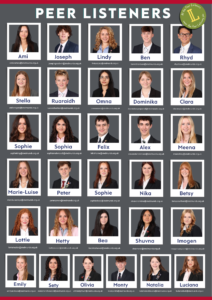
Our school is proud to hold a Gold level Carnegie Mental Health Award. Students themselves play an important part in this. Sixth Formers can be part of our Peer Listening programme. Volunteers are trained to provide sensitive support for pupils if they are worried about something and direct them to the appropriate people within the pastoral team. Twenty-five sixth formers at St Edmund’s are currently trained Peer Listeners. Similarly, our Peer Education Project enables Lower Sixth pupils to receive training and then deliver a short course of three lessons to Form 7 students on pastoral issues.
Charity Work
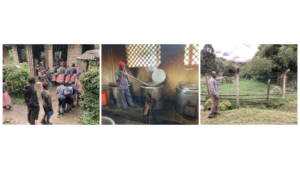
Students lead our Interact Charity Committee which organises events and oversees fundraising initiatives for a range of local, national and international causes. In recent years, these have included Pilgrim’s Hospice, Catching Lives, Breakthrough 1 Diabetes Care, SERV Bloodrunners, Rising Sun Domestic Abuse Centre and Shelterbox. As part of our 275th Anniversary celebrations, pupil-led initiatives raised £10K for Kisizi Hospital School for orphans in Uganda.
Public Service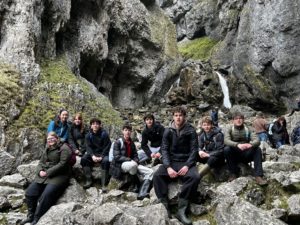
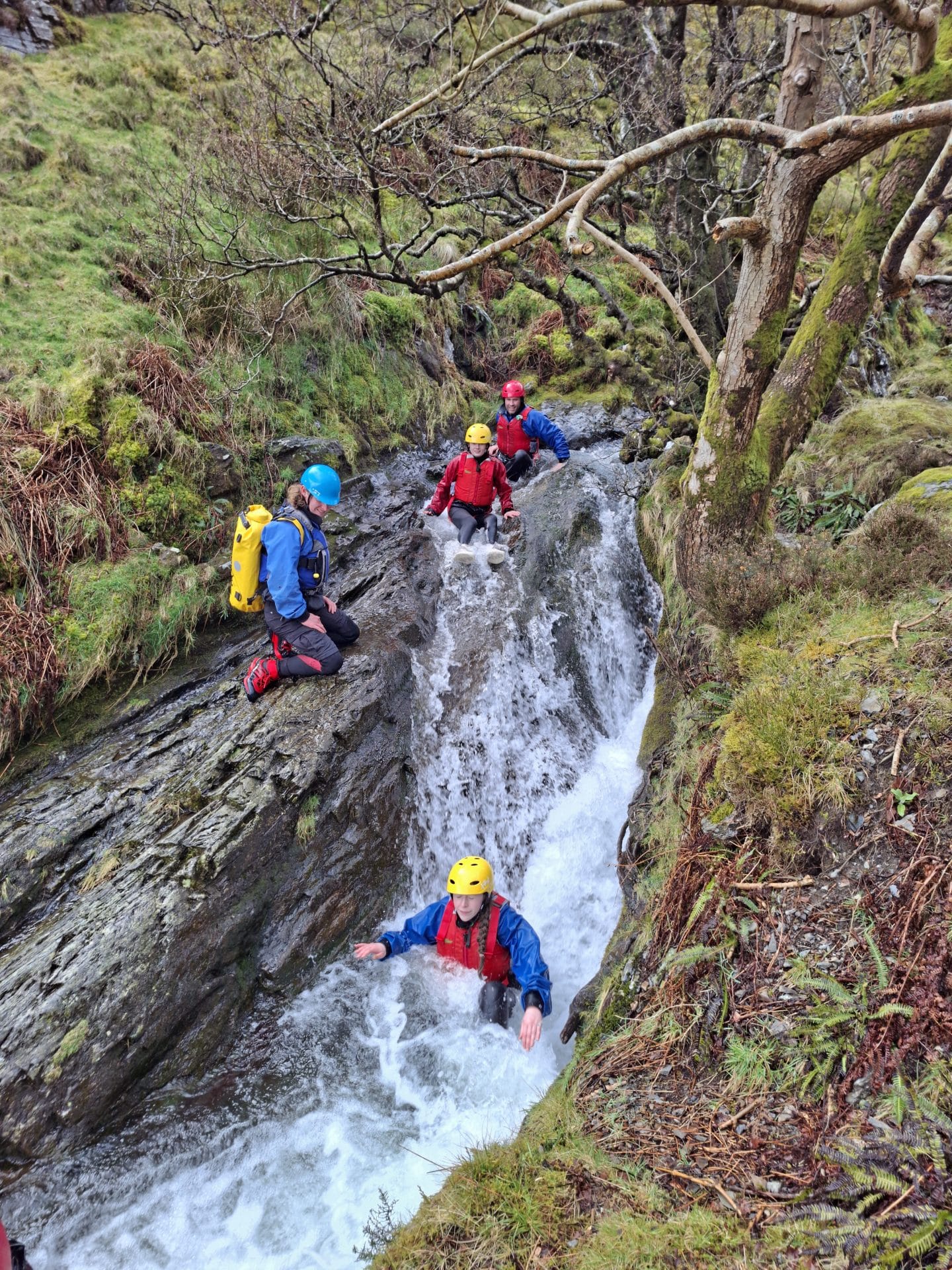
Our rich co-curricular programme, particularly our successful Duke of Edinburgh Award Scheme and out long established and popular Combined Cadet Force, enables our students to develop resilience, teamwork and communications skills. They undertake expeditions to Snowdonia and the Lake District in addition to overnight camps and residential experiences – often at army bases where they operate in conjunction with other schools and military personnel. This develops leadership and our pupils often progress to jobs in public service. These include the police force, medicine and nursing, working for conservation charities and the armed forces. One of our students recently won the Sword of Honour upon graduation from Sandhurst and other is currently the holder of a Royal Navy Scholarship.
Leadership
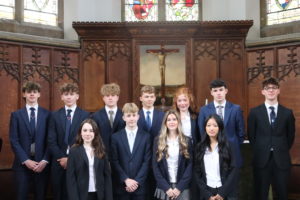
Schools like St Edmund’s offer a range of internal leadership positions for students to learn how to take responsibility for others. Our House Captains, Sports Captains, Prefects, Senior Musicians and Choristers, Heads of Clubs and Societies take enormous pride in their responsibilities and provide a superb example for younger pupils to follow. We believe that you are never too young to lead.
Responsibility is indeed a powerful motivator. Interestingly, in my experience, pupils that undertake leadership roles often achieve the best academic outcomes too. This year our Captain of School is moving on to medical school and one of our Vice-Captains is about to start studying at Cambridge. Student leaders are not only showing the way for others, but also, they are learning to manage themselves, use their time effectively and work with a sense of profound purpose. A wise man once wrote “the best way to find yourself is to lose yourself in the service of others.”