
St Edmund's
Learning from David Attenborough at the Natural History Museum
This week, while Years 5 and 6 have been busy preparing for assessments, we have also reflected on a learning journey that perfectly captures the theme: The Power of Being Known.
Just before half term, our pupils spent time studying the remarkable life and work of Sir David Attenborough. In the week leading up to what would have been his 100th birthday, the children explored a range of biographies, identifying the key features of this style of writing. They discovered that biographies are written chronologically, in the third person, with themed paragraphs, fronted adverbials, and clear introductions and conclusions. Using their research skills, the children gathered information about Attenborough’s life before writing their own biographies on his birthday.
As they reflected on his achievements, many children commented on the extraordinary influence he has had on the world. They recognised that people listen to Attenborough because he has spent decades helping us understand our planet. Through his storytelling, expertise and passion, millions of people have come to know about the natural world. His life demonstrates how being known can become a powerful force for positive change.
This theme continued through our English work on the oceans. Inspired by a clip from Blue Planet, the children wrote vivid descriptive paragraphs, capturing both the tranquillity of calm seas and the drama of stormy waters. We also reflected on our visit to watch Ocean with David Attenborough at the Gulbenkian last year, which sparked further discussion about the beauty and fragility of marine environments.
Building on this inspiration, the children researched different aspects of the ocean and produced detailed non-chronological reports. One of the topics available was the destruction of ocean habitats and ecosystems—an issue that Attenborough has worked tirelessly to bring to public attention. During class discussions, many pupils observed that they would not know about these environmental challenges if Attenborough had not shared them so widely. More importantly, they recognised that they would be less likely to think about solutions or consider how they might help. Once again, they saw the power that comes from helping others to know and understand important issues.
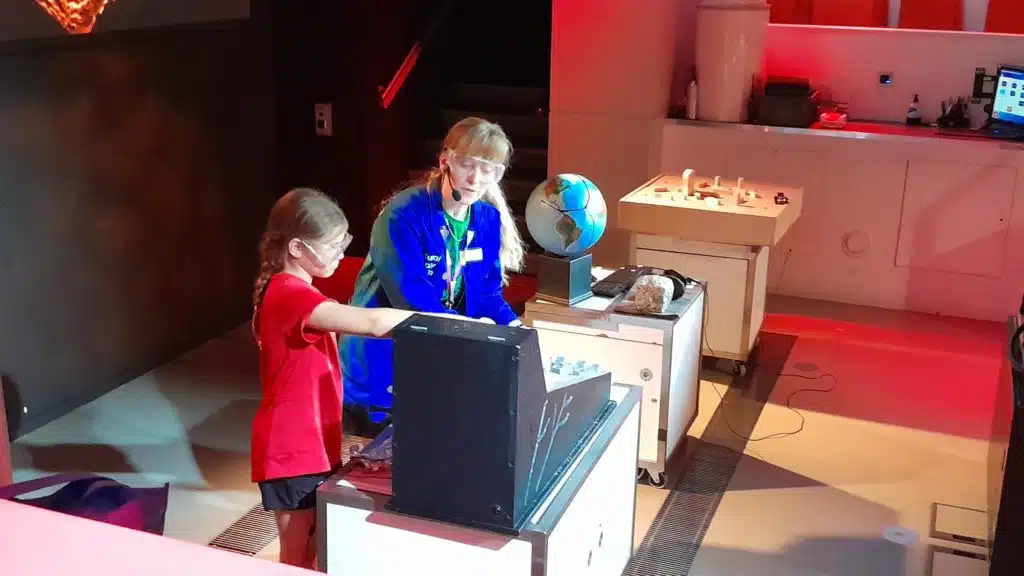
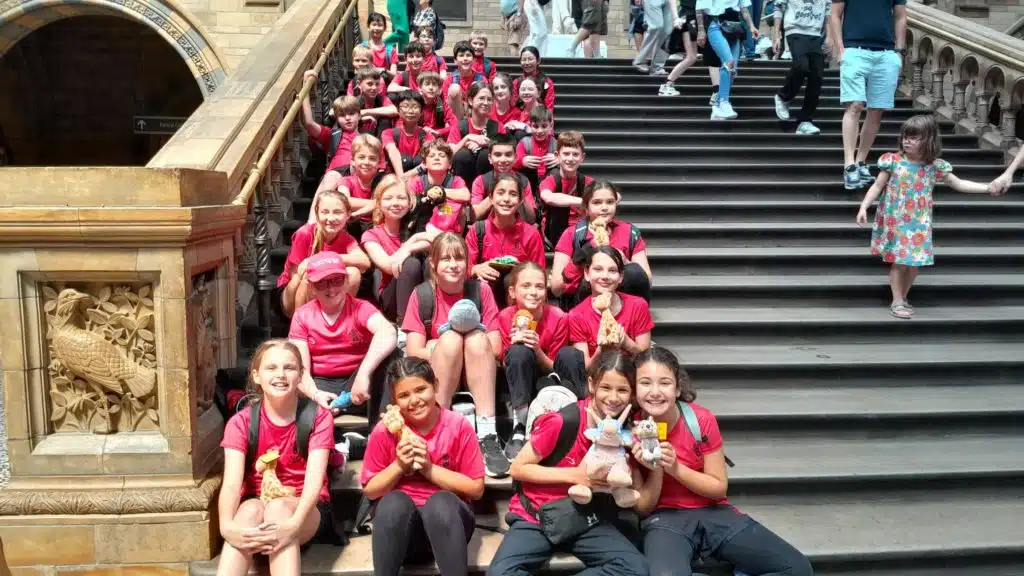
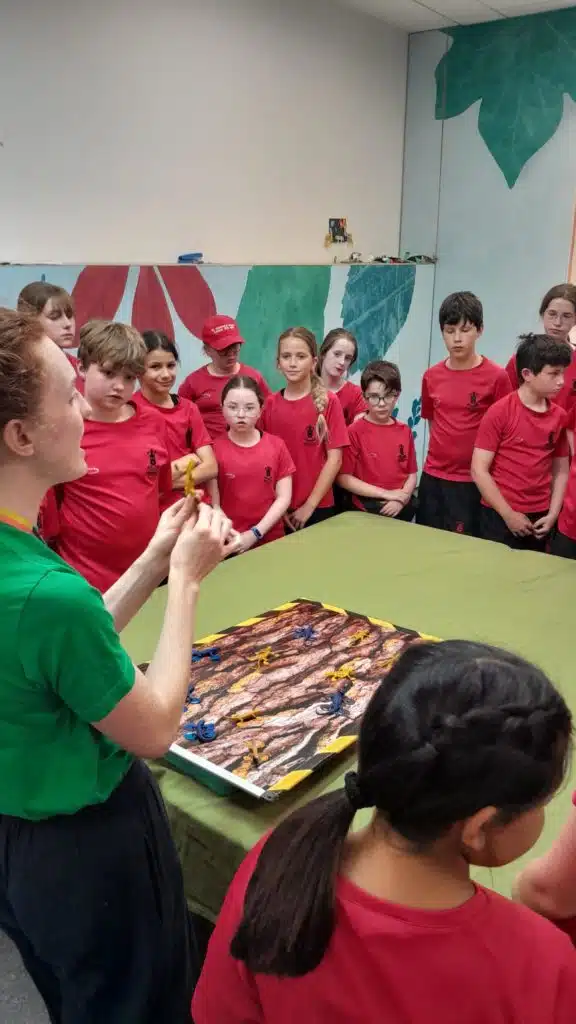
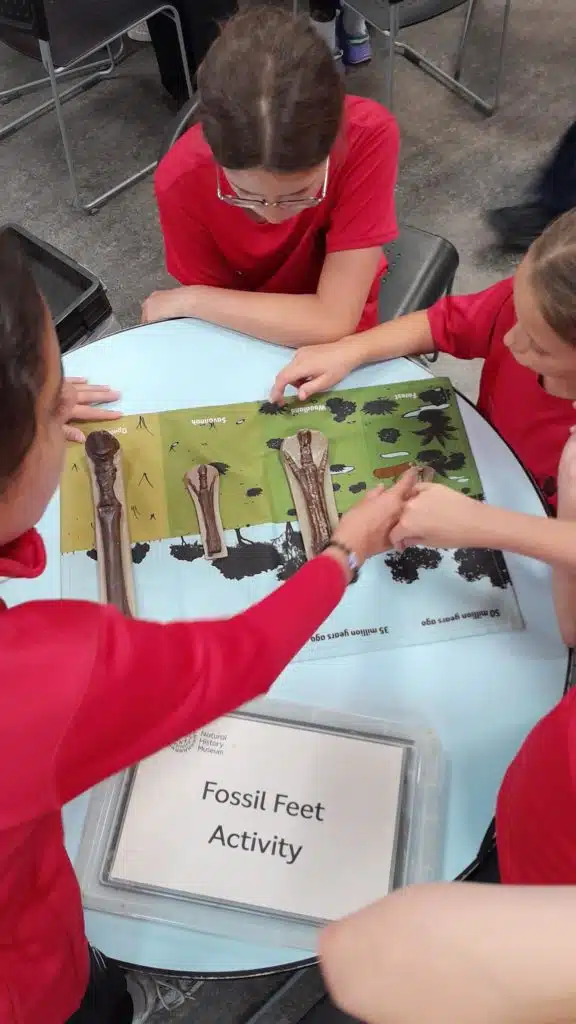
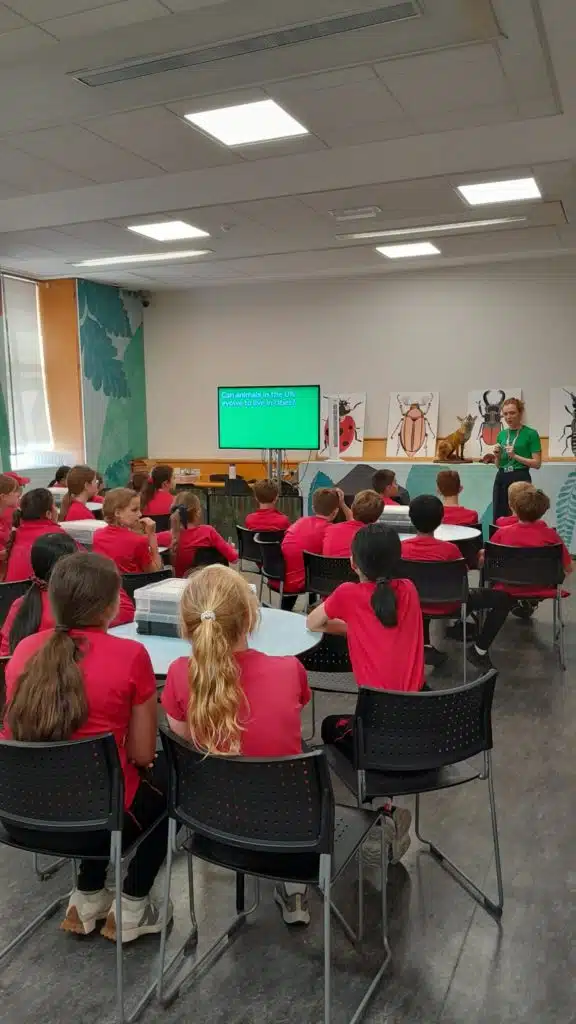
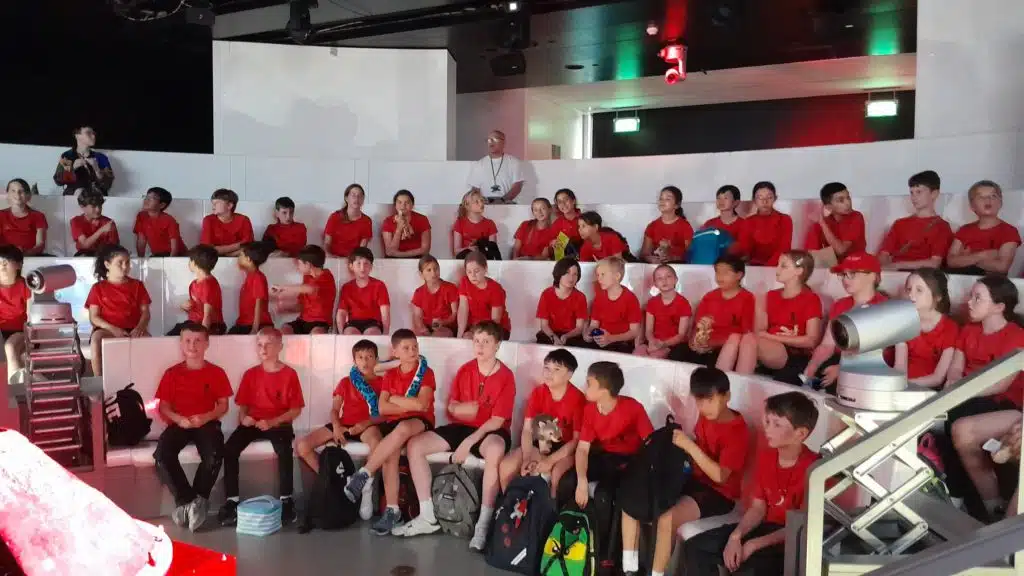
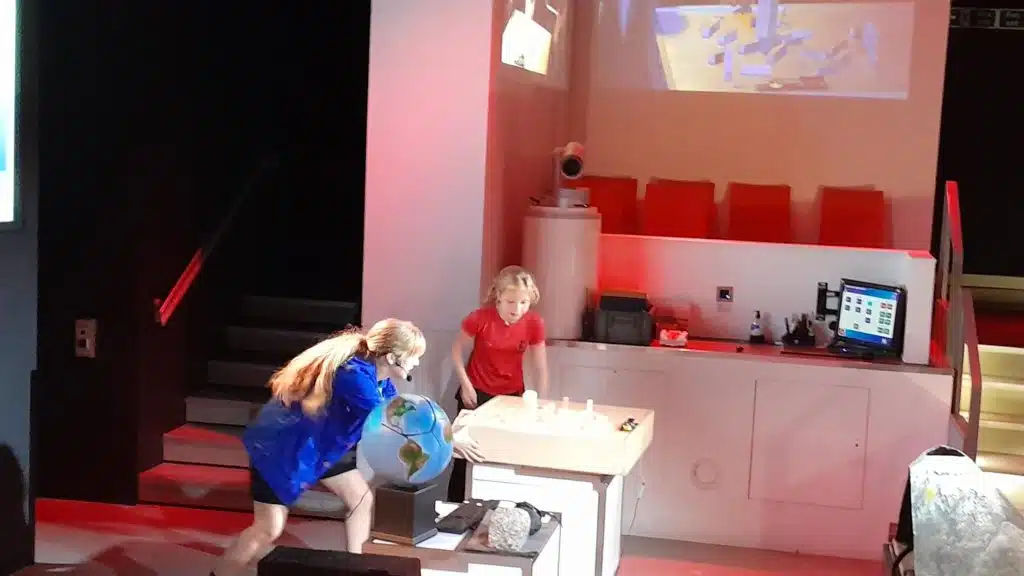
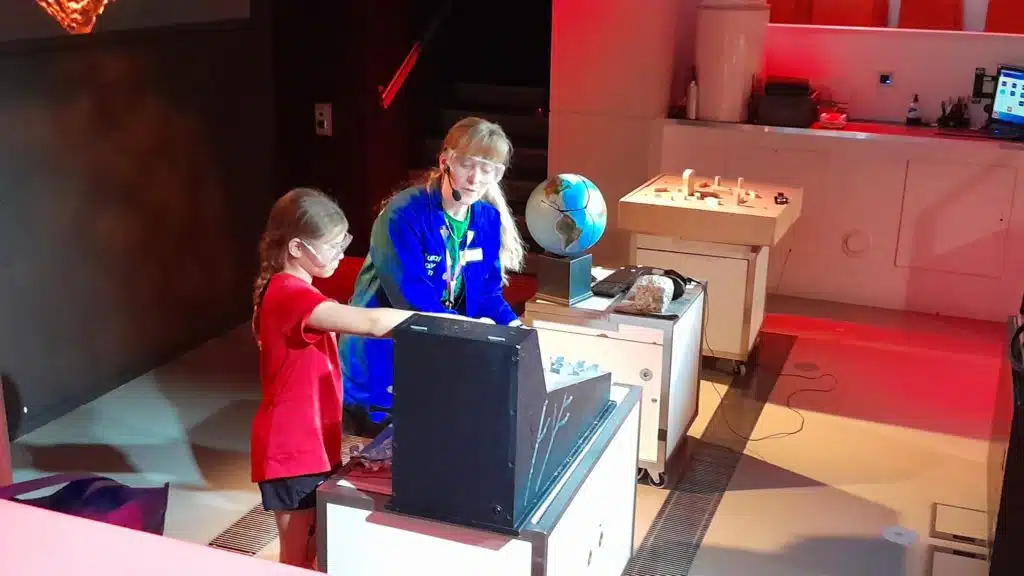
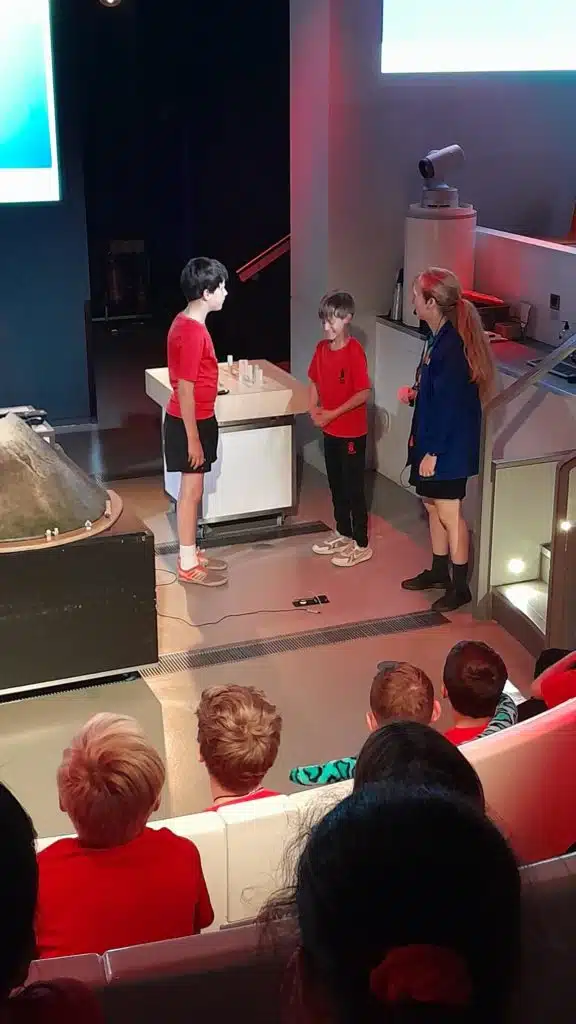
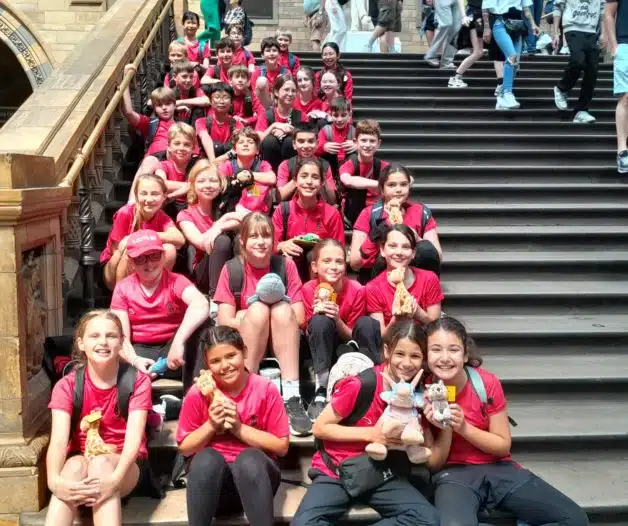
These connections became even more meaningful during our recent visit to the Natural History Museum. One of the highlights of the day was a fascinating workshop on volcanoes and earthquakes. What made the experience particularly special was its location: the museum’s David Attenborough Studio. Surrounded by exhibits celebrating discovery, exploration and scientific understanding, the children were reminded of the impact one individual can have when they dedicate their life to helping others learn.
Across our lessons and experiences this term, David Attenborough has provided a powerful example of what it means to be known—not for fame itself, but for using influence to educate, inspire and encourage change. Through his work, generations have come to know more about the world around them, and because of that knowledge, many have been inspired to care for it more deeply including our pupils today.