

St Edmund's

Sixth Form: The Importance of the learning environment
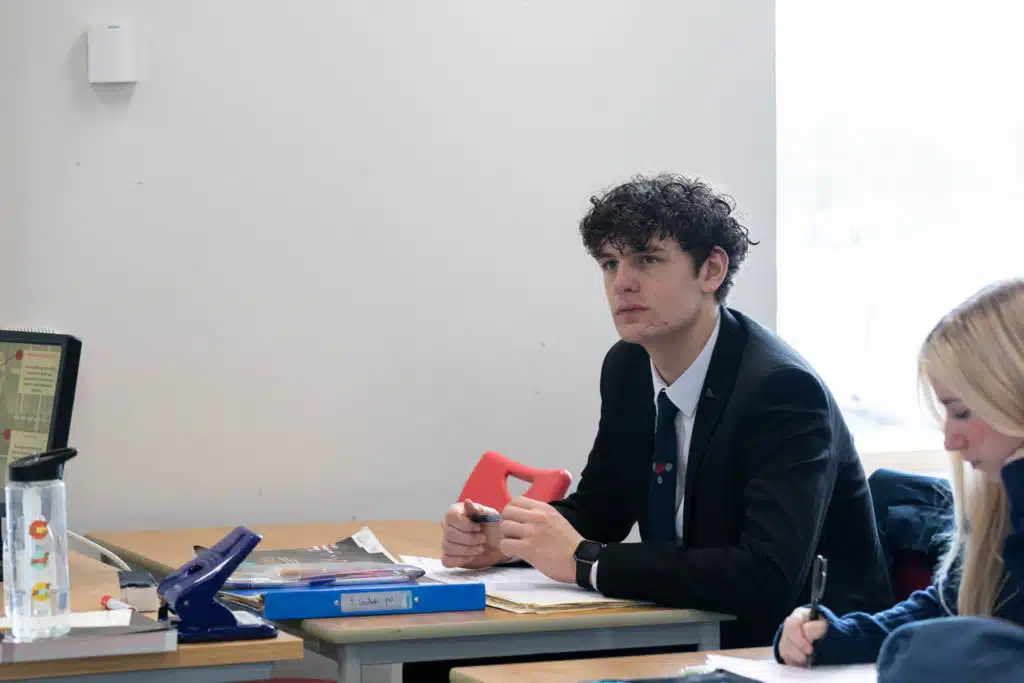
Educational research consistently affirms that “working environment is one of the most powerful determinants of student learning” (Fraser), and that learning itself is “profoundly influenced by the social relationships within which it occurs” (National Research Council).
These are the guiding principles of our new approach to Sixth Form.
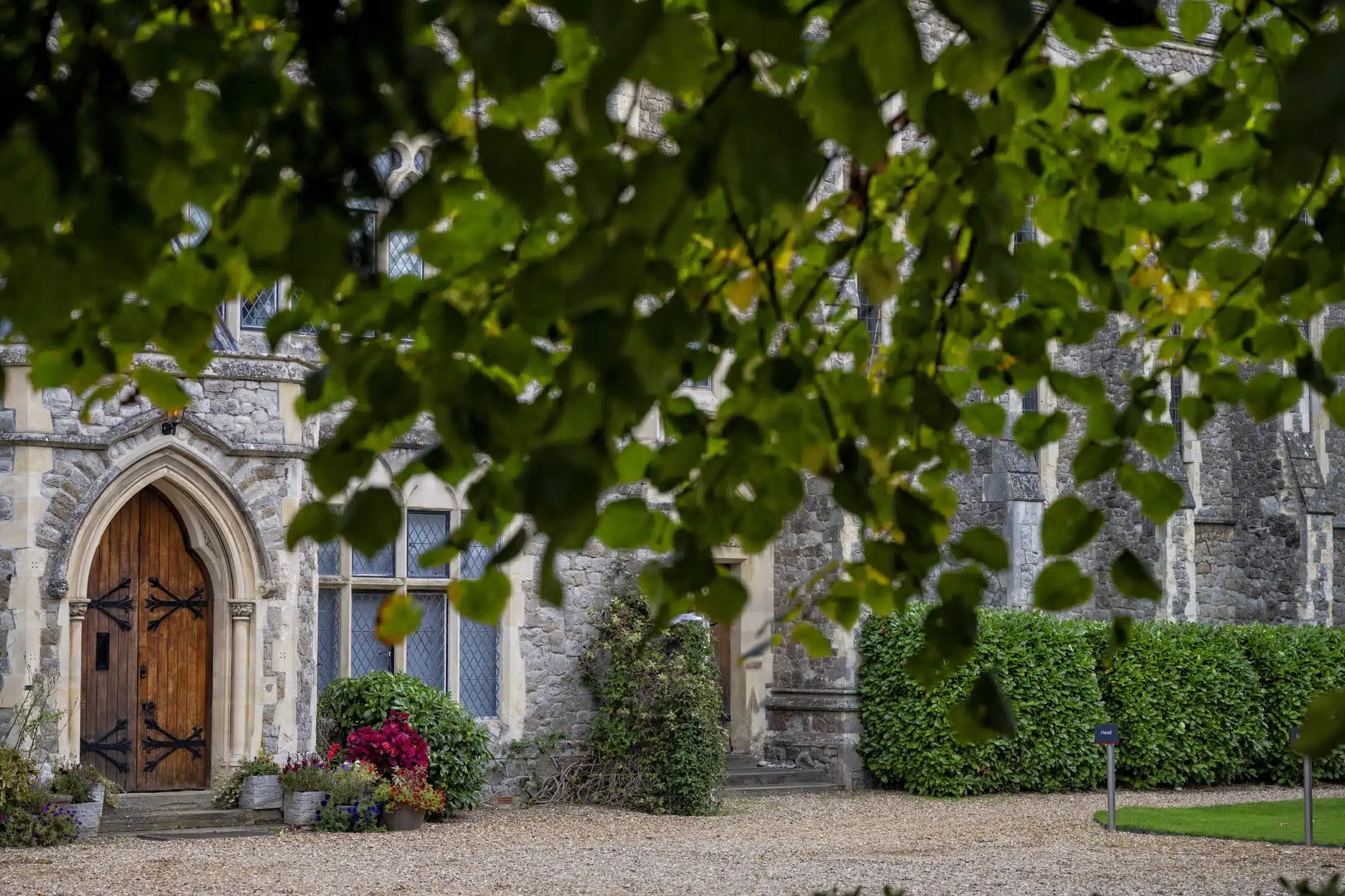
Work begins in the next few weeks on converting our “Stable Block” building into a new Sixth Form Centre.
The main building will be accompanied by brand new work pods. We will also be upgrading the Sixth Form sets located in each of our four houses.
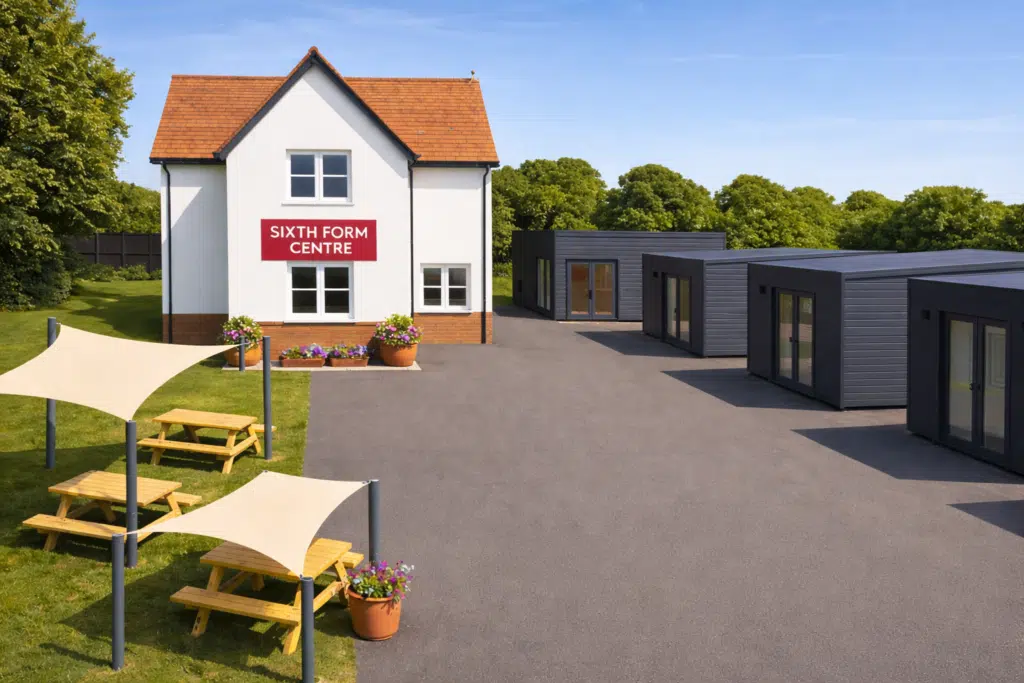
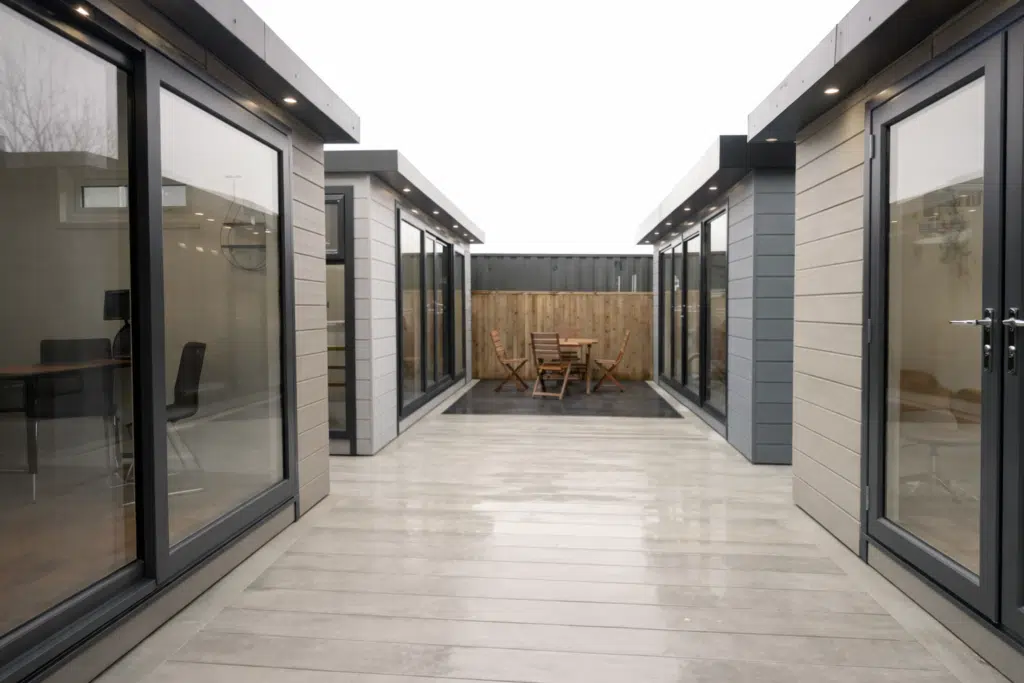
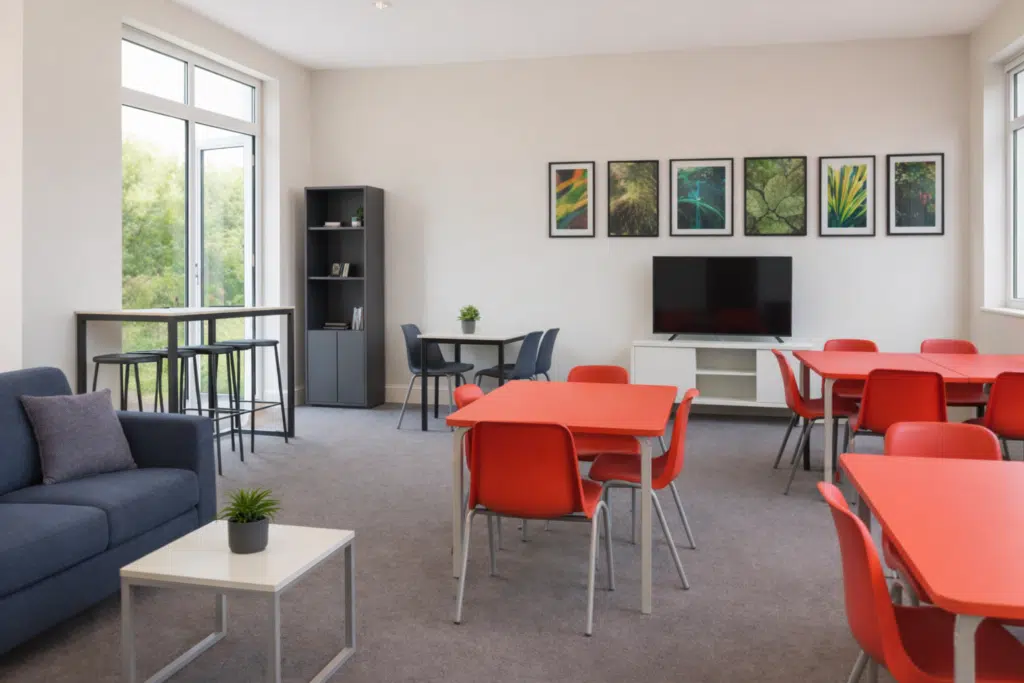
The aims are to create first class working environments to support independent study (an essential pre-requisite of success in Sixth Form) and a number of flexible, social spaces that will enable our students to form strong friendships and collegial working relationships. Learning how to learn is a crucial determinant of sixth form success.
Students who actively manage their learning – planning study time effectively, reflecting on their progress and understanding in each subject, working with teachers to adjust strategies when they encounter difficulties – consistently achieve higher grades (Zimmerman). Access to high quality study space facilitates these essential approaches.

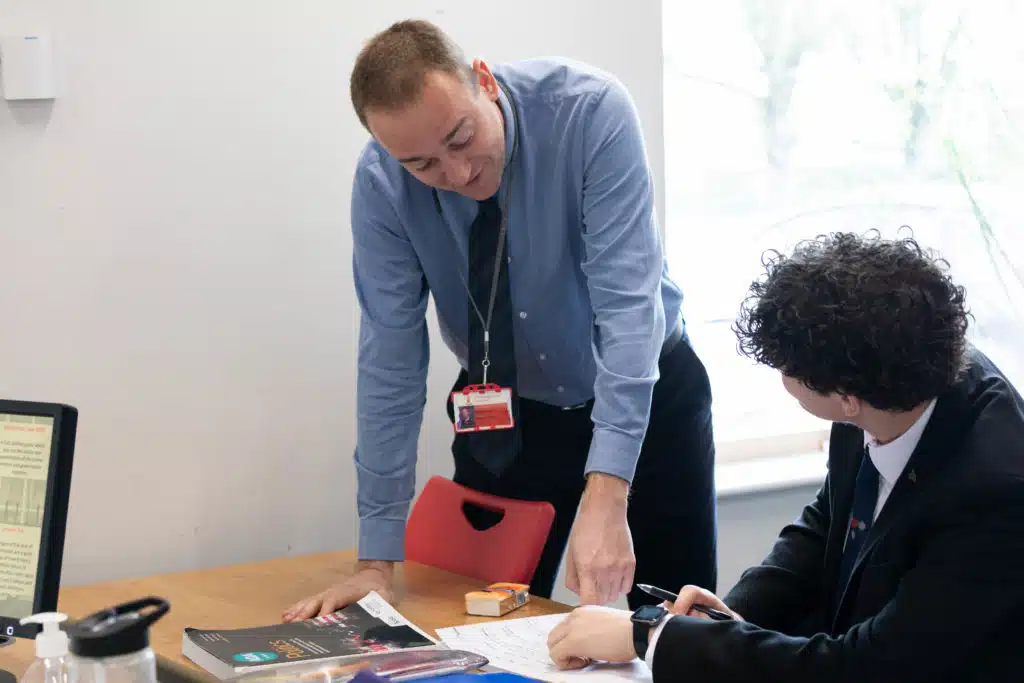
This new arrangement will also give our Sixth Formers instant access to our university and careers advisory team who will work to support them through the complex process of “taking the next step” beyond school.
Our value-added scores at A-level are already consistently excellent – with students consistently achieving higher grades on average than baseline predictions from GCSE might reasonably project.

We believe that this new working environment from September will reinforce that significantly and provide a stimulating set of spaces that will better prepare our students for the challenges of university study,